
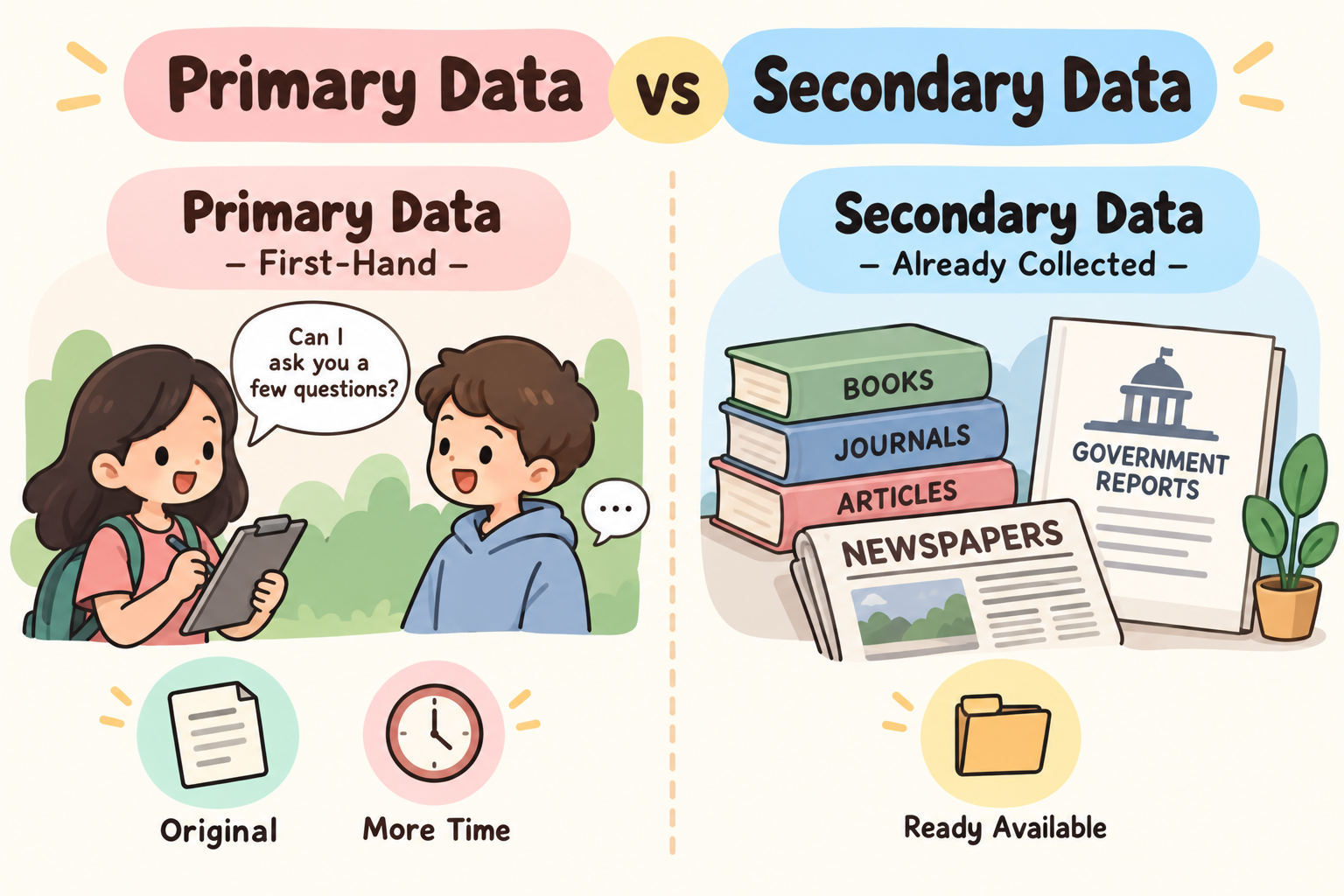
Primary Data: Secondary Data: Difference Between Primary and Secondary Data Primary Data Secondary Data Collected first-hand. Already collected by someone else. Original information. Previously available information. Takes more time and
Read MoreAuthor: bizniz.online
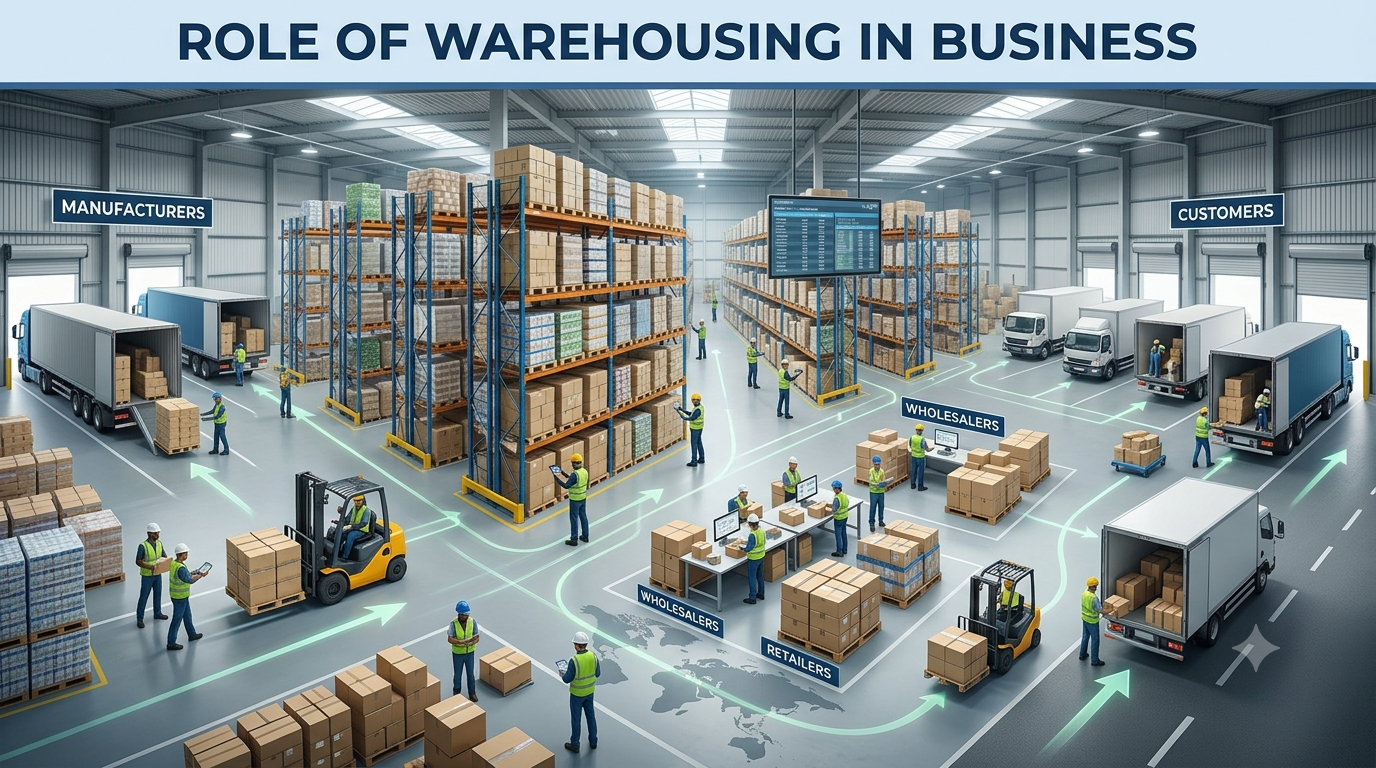
Advantages, Limitations, and Role of Warehousing in Business

Introduction Warehousing plays an important role in the success of modern business. It helps companies store goods safely, maintain regular supplies, and distribute products according to customer demand. However, warehousing
Read More
lesson no.16 Q1. Define data. How are primary data collected?
1. Define data. How are primary data collected? Definition of Data: Data is a collection of facts, numbers, measurements or observations. It is collected for a specific purpose. How are
Read More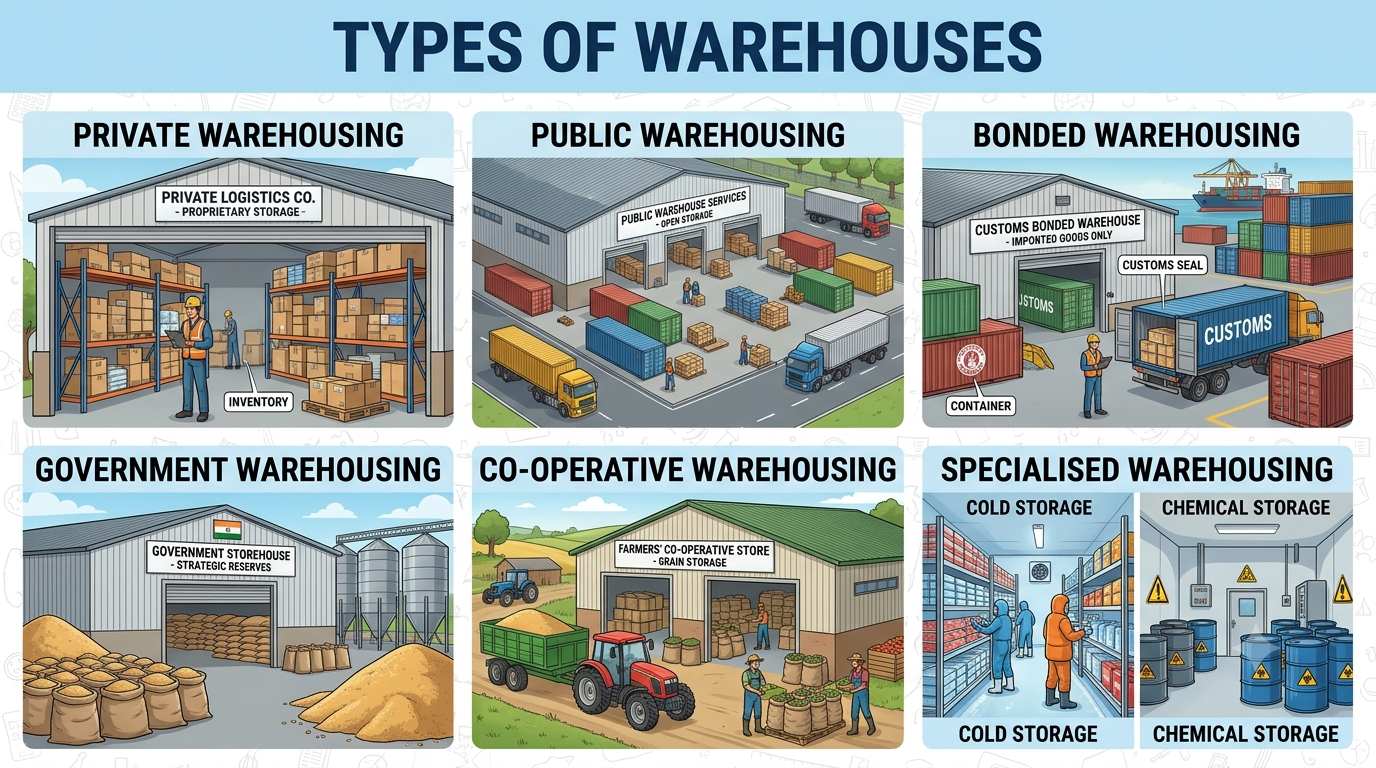
Types of Warehouses
Introduction Different businesses require different types of storage facilities. Some businesses need warehouses for general goods, while others require special facilities for agricultural products, medicines, chemicals, or imported goods. Based
Read More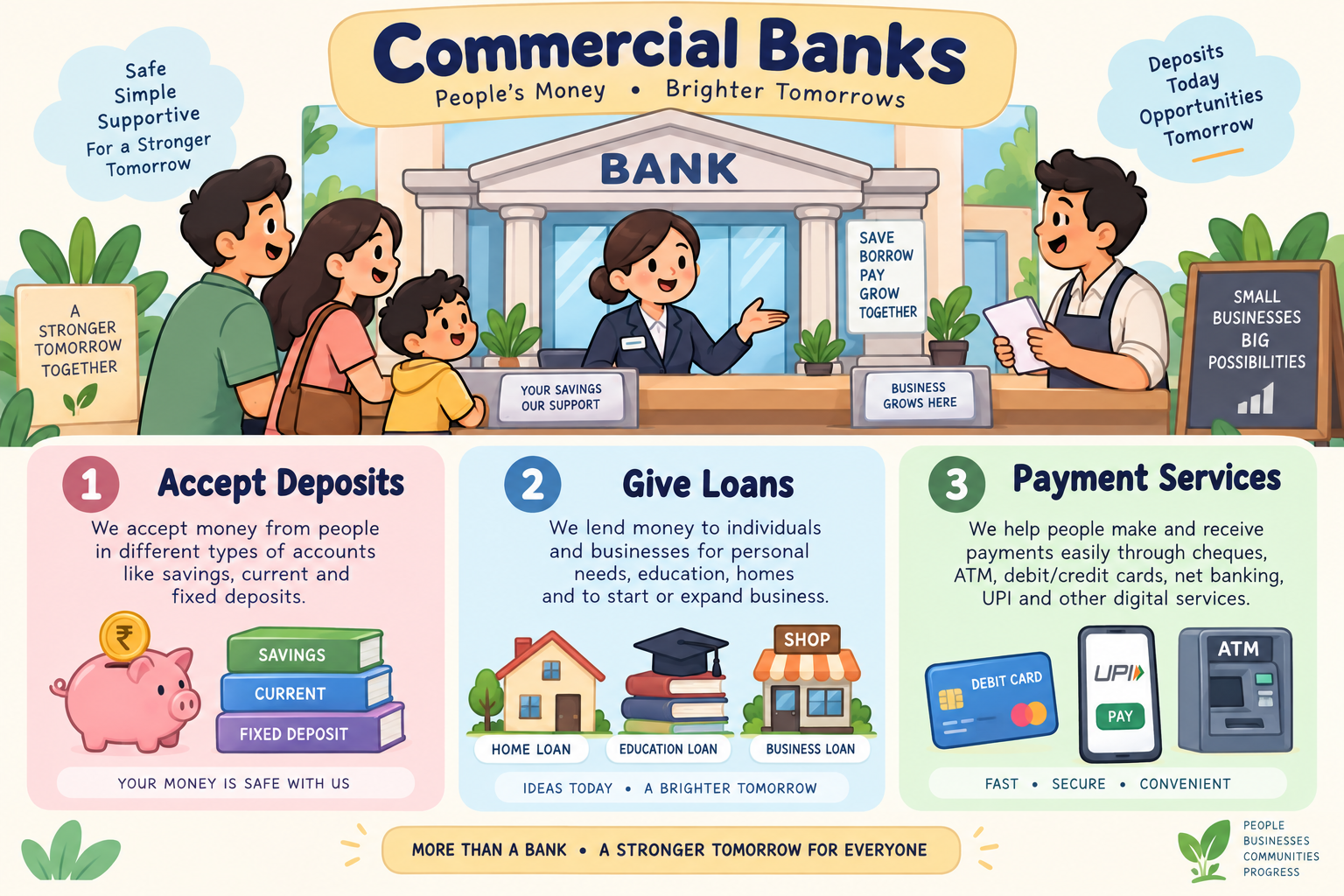
lesson no.15 Q4. Write short notes on the following.
(i) RBI (Reserve Bank of India) The Reserve Bank of India (RBI) is the central bank of India. It was established in 1935. Its main functions are: (ii) Cooperative Bank
Read More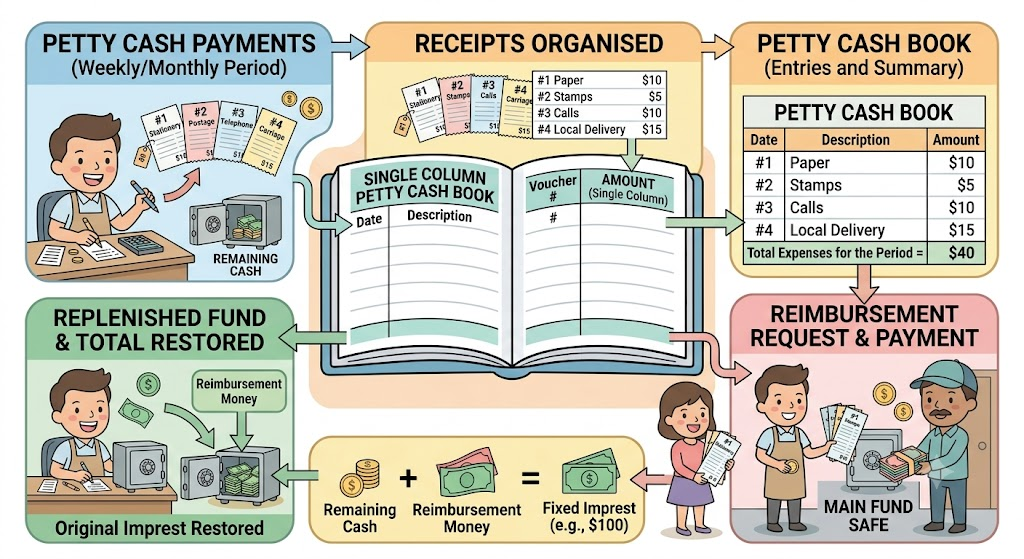
Lesson No. 07: Accountancy: The Petty Cash Detective: Where Did ₹4,000 Go?
A petty cashier begins September with ₹8,000. By the end of the week, that money has paid for taxi rides, office stationery, electricity, repairs, and even refreshments for customers. The
Read More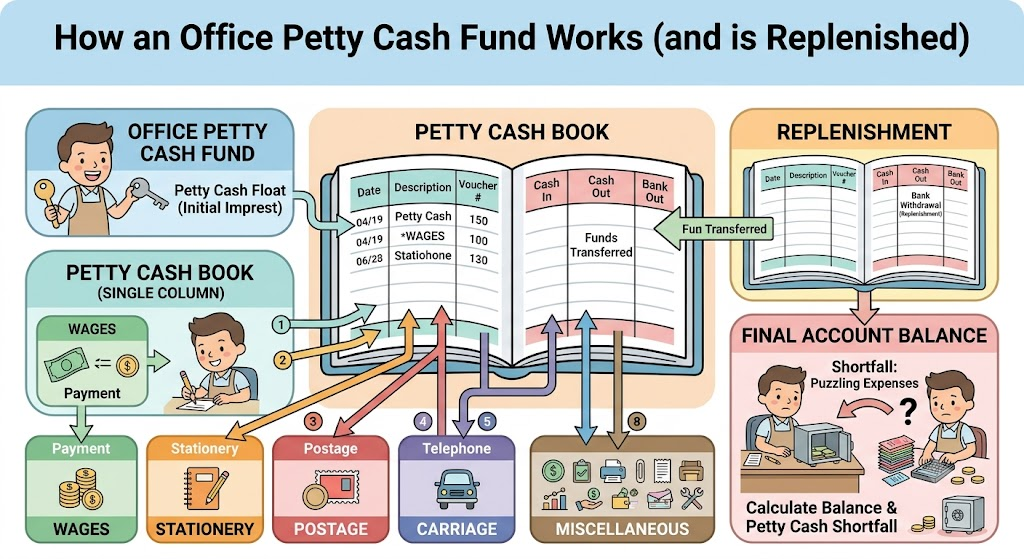
The Petty Cash Puzzle: Can ₹1,000 Cover ₹2,945?
A petty cashier receives ₹1,000 to handle small everyday payments. Pens, postage, telegrams and carriage charges are all part of the job. But then the expense list arrives—and the first
Read More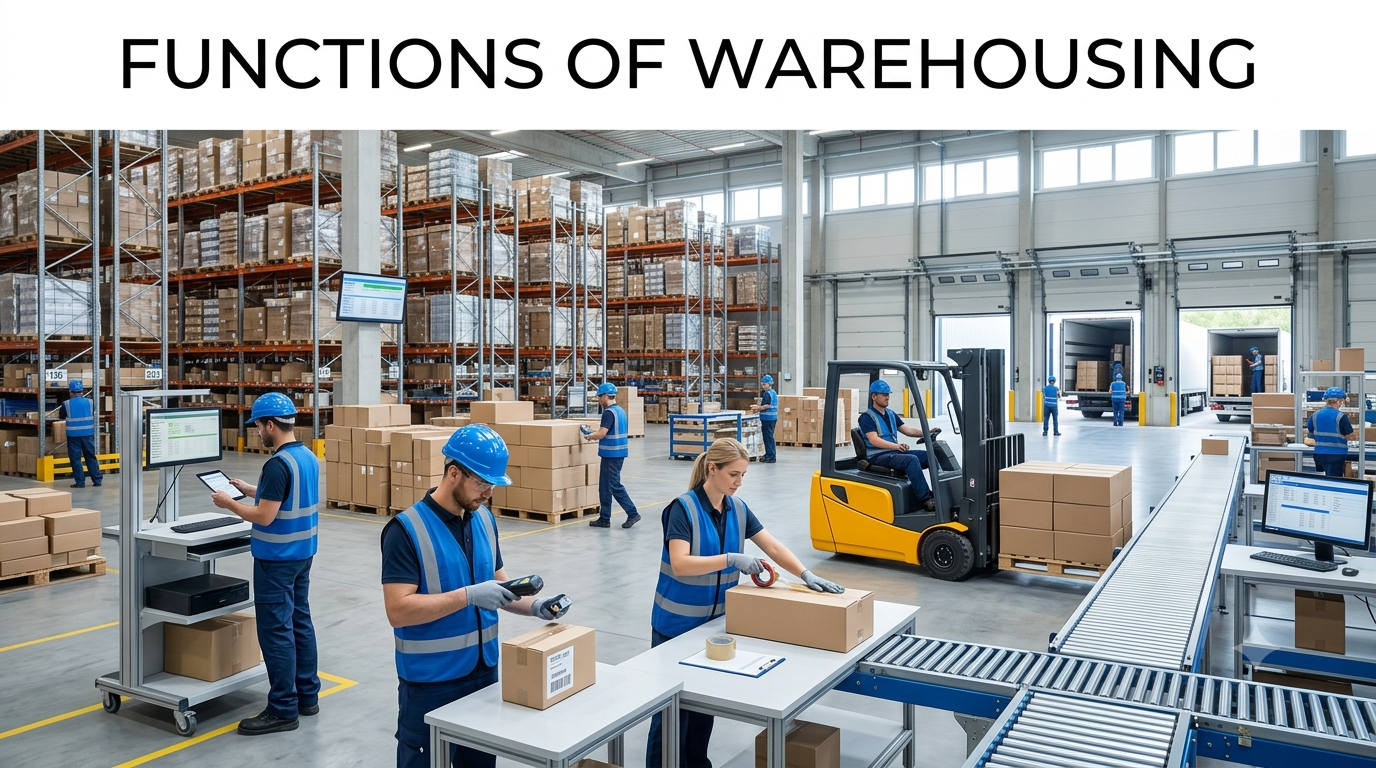
Functions of Warehousing
Introduction Warehousing is not limited to storing goods. Modern warehouses perform several important functions that help businesses manage their products and distribute them efficiently. These functions support manufacturers, wholesalers, retailers,
Read More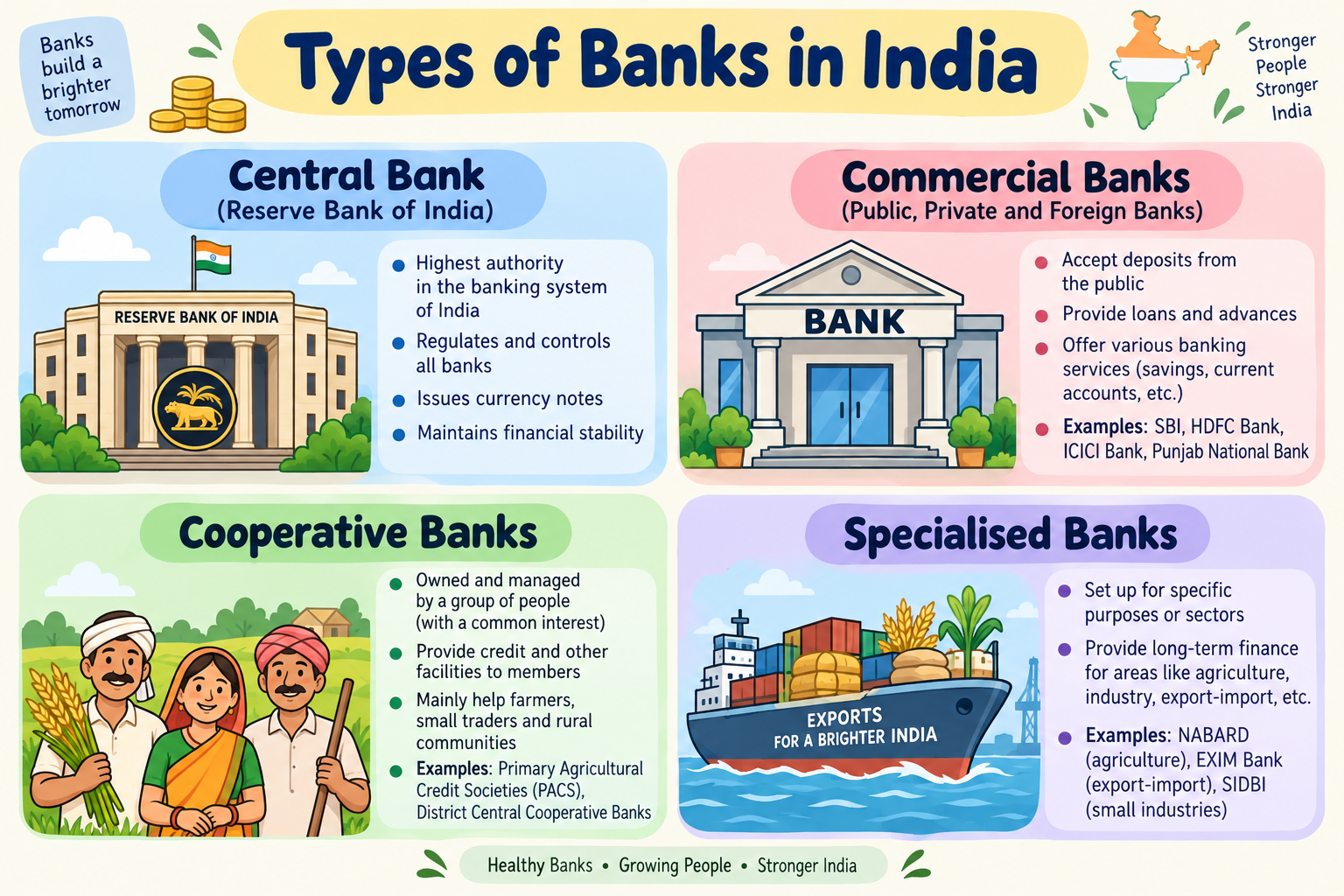
lesson no.15 Q3. What are the different types of banks in India?
The main types of banks in India are: 1. Central Bank: The Reserve Bank of India (RBI) is India’s central bank. It regulates the banking system and manages monetary policy.
Read More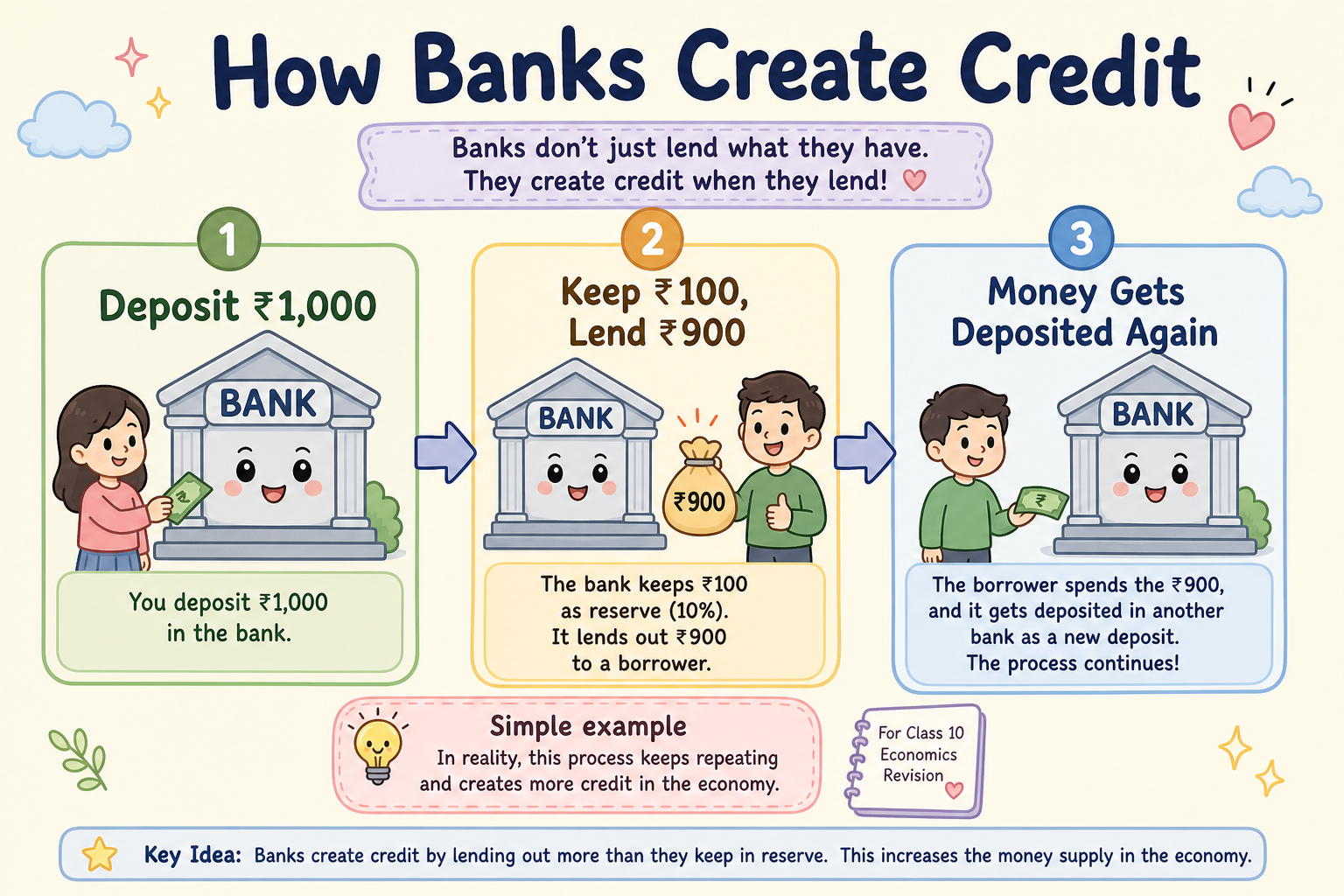
lesson no.15 Q2. What is credit? How does a bank create credit?
2. What is credit? How does a bank create credit? Meaning of Credit: Credit means receiving money, goods or services now and agreeing to pay for them in the future.
Read More